Bio-Convergence in Israel
Silicon Technologies Meet Biology - Executive Summary
Executive Summary
Bio-convergence – the fusion of biology with engineering and electronics – is emerging as a powerful engine of medical innovation. It merges advances in semiconductors, sensors, and micro-mechanics with life sciences to create "bio-electronic" solutions that monitor, diagnose, or even treat conditions in new ways.
Israel has recognized bioconvergence as a strategic growth area, leveraging its robust high-tech and life-science ecosystems. The Israel Innovation Authority (IIA) identified approximately 80 Israeli startups already active at this biology-technology interface.
Major hospitals like Rambam Health Care Campus and Sheba Medical Center are fostering med-tech innovation, providing clinical testbeds for new devices. Intel, with its semiconductor prowess in Israel and globally, is well-positioned to contribute through chip design, manufacturing, and AI integration capabilities.
Bio-Convergence Technologies
Bio-convergence integrates silicon semiconductor technologies with biological systems to create innovative medical devices and diagnostic tools.
CMOS Biosensors
Silicon-based sensors that detect biological signals
- Custom ASICs for biological signal detection
- Ultra-low-power designs for implantable devices
- High sensitivity detection of biomolecules, pH, temperature
- Integration with CMOS image sensors for cell analysis
Lab-on-Chip (LoC)
Microfluidic systems on silicon substrates
- Miniaturized chemical/biochemical analysis systems
- Silicon microfabrication for fluid channels
- Integrated sensors and electrodes for assays
- Point-of-care diagnostics with minimal sample volumes
Implantable Bioelectronics
Silicon devices that interface with living tissue
- Neurostimulators for Parkinson's and chronic pain
- Brain-computer interfaces with neural probes
- Cardiac monitoring devices with wireless transmission
- Biocompatible packaging and hermetic sealing
Wearable Health Sensors
Silicon-based continuous health monitoring
- Smartwatch biosensors (ECG, SpO₂, PPG)
- Electronic skin patches with flex circuits
- Custom silicon for power-efficient edge AI
- Continuous glucose monitoring with MEMS sensors
Neuromorphic Computing
Brain-inspired silicon architectures
- Intel Loihi chips for pattern recognition
- Ultra-low-power biosignal processing
- Spiking neural networks in silicon
- Real-time analysis of medical device data
Advanced Packaging
Protecting silicon in biological environments
- Biocompatible encapsulation materials
- Hermetic sealing for long-term implants
- Flexible substrates for conformable devices
- Wireless power and data transmission integration
Israeli Bio-Convergence Startups
The Israel Innovation Authority identified approximately 80 Israeli startups operating at the biology-technology interface. Below is a curated selection of leading companies across different stages of development:
CardiacSense
Mature / CommercialWearable Health Monitoring
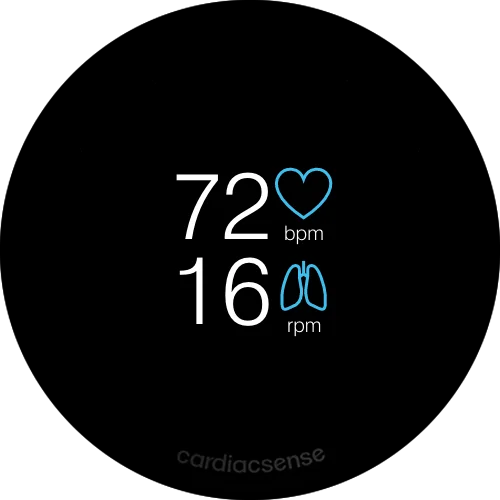 Medical-grade smartwatch with FDA-cleared ECG and SpO₂ monitoring. Continuous vital sign tracking with arrhythmia detection using PPG sensors. Device alerts physicians via cloud.
Vectorious Medical Technologies
Growth StageImplantable Sensors
 V-LAP wireless micro-sensor implanted in the heart's left atrium to measure pressure and prevent heart failure hospitalizations. Battery-free implant powered externally via wireless belt.
Sight Diagnostics
Mature / CommercialLab-on-Chip Diagnostics
Microfluidics and machine vision blood analyzer that performs complete blood counts from finger prick at point-of-care. Rapid CBC analysis using AI-powered computer vision.
Alpha Omega
EstablishedNeurosurgery Systems
Advanced neurophysiology systems for deep brain stimulation and intraoperative monitoring during neurosurgical procedures. Leading provider of brain surgery technology.
BrainsGate
Clinical StageNeurostimulation / Electroceuticals
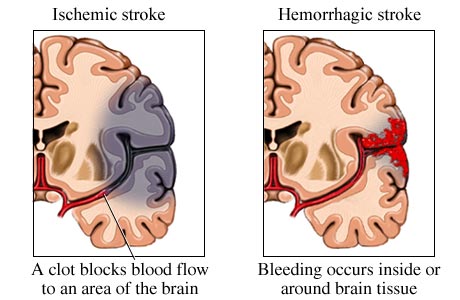 Implantable electrode system for acute stroke treatment via sphenopalatine ganglion stimulation. Stimulates nerve to increase brain blood flow through electrical impulses.
Tissue Dynamics
Growth StageOrgan-on-Chip / Drug Testing
 Bionic organ-on-chip platform with embedded sensors to monitor human tissue responses to drugs in real-time. "Tiny bionic organs" for toxicity and efficacy testing.
Biobeat
Growth StageWearable Monitoring
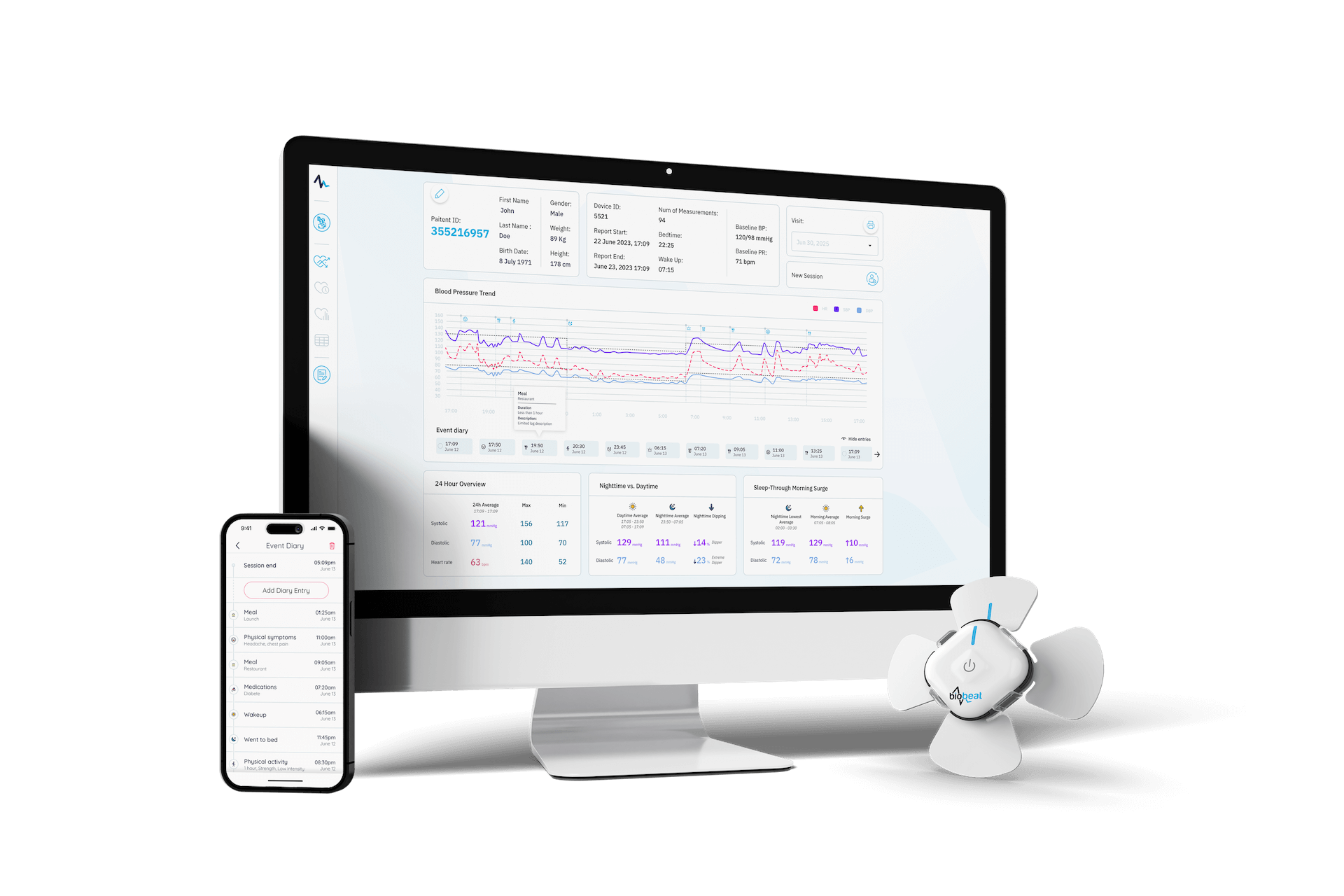 Wrist and chest monitors that measure blood pressure cufflessly via sensor fusion. Continuous vital sign monitoring for hospital and remote patient monitoring.
📊 Israeli Bio-Convergence Ecosystem
- ~80 startups identified by Israel Innovation Authority (IIA)
- NIS 75M government investment in bio-devices lab infrastructure
- 600+ medical device companies in Israel's broader medtech ecosystem
- 500+ digital health companies with AI capabilities
- $1.6B in medical device exports annually
Note: This list represents documented companies from available research. The complete ecosystem includes many additional startups across biosensors, synthetic biology, bioelectronics, and digital health domains.
Silicon Manufacturing & Foundry Ecosystem
Bio-convergence devices require specialized semiconductor fabrication capabilities. Israel and global partners provide comprehensive manufacturing infrastructure from advanced nodes to mature analog processes.
🏭 Intel Israel - Advanced Fabrication
Facilities:
- Fab 28 (Kiryat Gat) - Operational fab with established culture of experimentation and process development
- Note: Intel's planned $25B Fab 38 expansion project in Kiryat Gat was paused in 2024; future development plans under review
Capabilities:
- Intel Foundry Services (IFS) - Custom chip production for medical devices, sensors, lab-on-chip devices
- Advanced Nodes: 10nm, 7nm processes for ultra-low-power implantable devices with high integration
- Mature Nodes: 22nm, 14nm for reliability and analog performance in medical applications
- Process Development: Strong connections to 5 Israeli universities (Materials, Chemical, Electrical Engineering)
- Medical-Grade Qualification: Capability for bio-compatible processes and strict quality standards
Bio-Convergence Applications:
- Custom ASICs for wearable health monitors with edge AI
- Ultra-low-power neural interface amplifiers for implants
- Sensor interface chips for lab-on-chip diagnostics
- Intel Loihi neuromorphic processors for biosignal processing
🔬 Tower Semiconductor - Specialty Analog Foundry
Location: Migdal HaEmek, Israel
Specialization: Market leader in specialty analog processes for medical devices
Key Capabilities:
- Medical Imaging Sensors: X-ray CMOS sensors, intraoral dental imagers
- MEMS Fabrication: Sensors and actuators for implantable and wearable devices
- High-Reliability CMOS: Automotive-grade and medical-grade processes
- RF Chips: Wireless communication for implants and wearables
- Multi-Project Wafer (MPW) Services: Cost-effective prototyping for Israeli startups
Bio-Convergence Focus:
- Primary fab for many Israeli medtech startup ASICs
- Proven track record in medical device semiconductor production
- Local support for IP security and supply chain control
🇧🇪 imec - Bio-Convergence R&D Powerhouse
Headquarters: Leuven, Belgium | Proposed: imec.il Center at Rambam Discovery Tower, Israel
🔷 Intel Partnership (Landmark Collaboration):
- $4.1 Billion Investment (2012): Intel invested in ASML to accelerate EUV lithography development, directly benefiting imec research programs
- Strategic Focus: 450mm wafer technology and extreme ultraviolet (EUV) lithography advancement
- Joint Research: Intel and imec collaborate on advanced semiconductor processes (7nm, 5nm, 3nm, 2nm nodes)
- EUV Milestones: In 2009, imec produced world's first functional 22nm CMOS SRAM using prototype EUV lithography
- Ongoing Cooperation: High-NA EUV systems development for next-generation chip manufacturing
Infrastructure:
- Major investment in 300mm and 200mm semiconductor pilot lines
- 5,500+ expert scientists from 90+ countries
- 600+ industry partners worldwide (as reported)
- Founded 1984 - Leading research hub for advanced CMOS scaling
Bio-Convergence Technologies:
- Photoacoustic Sensing: Opto-mechanical ultrasound sensors - 100x more sensitive than piezoelectric elements
- Lab-on-Chip: Microfluidic integration with CMOS sensors
- Breath Diagnostics: COVID-19 PCR test from exhaled breath (collaboration with UZ Leuven)
- Organ-on-Chip: Advanced biosensor integration for drug testing platforms
- Wearable Sensors: Ultra-low-power health monitoring chips
- Implantable Devices: Biocompatible packaging and hermetic sealing technologies
Israel Initiative:
- Led by Ilan Spillinger - EVP & CTO at imec (former Intel senior architect)
- Partnership Model: Non-profit organization seeking funding partners to establish Israeli R&D center
- Target Location: Helmsley Health Discovery Tower at Rambam Hospital, Haifa
- Vision: Bio-Convergence Center of Excellence providing design, prototyping, and testing services
- Access to Infrastructure: Israeli startups gain access to imec's 300mm/200mm fabs and expertise
Collaborative Projects (Examples):
- OnePlanet Research Center: Precision health tools - swallowable sensors, smart bathroom diagnostics, stress wearables
- Through-Skull Brain Imaging: Novel ultrasound sensors for functional brain monitoring
- Microneedle Platforms: Minimally invasive biomarker detection for cancer monitoring
🏗️ Israel National Bio-Devices Lab
Investment: NIS 113M (~$30M) | Launch: 2024
Led by: Israel Aerospace Industries (IAI) + Baccaramos Technologies
Purpose: First national biochip/bio-device development and small-batch production facility
Capabilities:
- Bio-MEMS fabrication and prototyping
- Implantable device development and validation
- Lab-on-chip small-scale production
- Advanced 3D printing for biomedical applications
- Advanced packaging (Baccaramos cleanrooms for chip assembly)
Partners:
- Fraunhofer IGB (Germany) - Bioengineering expertise
- Ginkgo Bioworks - Synthetic biology
- NVIDIA - AI integration for on-chip intelligence
🌍 Global Foundry Options
For Reference - International Alternatives:
- TSMC (Taiwan): Leading-edge nodes (3nm, 5nm) - for highest performance medical AI chips
- GlobalFoundries: Specialty processes including RF-SOI for wireless medical devices
- X-FAB: MEMS and analog processes optimized for automotive/medical applications
- Samsung Foundry: Advanced nodes with bio-sensor integration options
Note: Israeli ecosystem (Intel + Tower + National Lab) provides end-to-end capability with advantages in IP security, supply chain control, and proximity to clinical testing sites.
⚙️ Process Technologies for Bio-Convergence
Key Process Features Required:
- Ultra-Low Power: Sub-threshold operation for battery-powered implants (years of operation)
- High-Voltage Tolerance: For neural stimulation and actuation (typically 5-20V)
- Low-Noise Analog: Amplifiers for microvolt biological signals (ECG, neural spikes)
- Biocompatible Top Layers: Gold, platinum, or specialized polymers for body contact
- Hermetic Sealing: Long-term moisture barrier for implants (10+ year lifetime)
- Rad-Hard Options: For devices that may undergo medical imaging (CT/MRI compatibility)
- MEMS Integration: Pressure sensors, accelerometers, microfluidic channels on-chip
- Optical Elements: Photodiodes, light sources for PPG and optogenetics
📋 Strategic Advantages of Israeli Silicon Ecosystem
- End-to-End Capability: Design (universities) → Fabrication (Tower, Intel) → Packaging (Baccaramos, IAI) → Clinical Testing (Rambam, Sheba)
- IP Security: Domestic supply chain reduces risks of technology leakage
- Rapid Iteration: Close proximity between fabs, design houses, and hospitals enables fast prototyping cycles
- Government Support: NIS 100-150M annually from IIA for bio-convergence R&D
- Talent Pipeline: Multidisciplinary training programs bridging engineering and biology
- Clinical Data Access: Unified HMO system with electronic medical records for algorithm development
Disclaimer: This page consolidates information from various industry sources, research documents, and public announcements. Specific technical claims (e.g., sensor sensitivities, exact funding amounts) and company details should be independently verified for critical decision-making. Information is current as of 2024 but subject to change as the bio-convergence ecosystem evolves.